If you are selling an estate home in Old Westbury, preparation is not a cosmetic extra. In a market where buyers have choices and expectations run high, the way your home looks, feels, and functions before launch can shape both interest and negotiating power. The good news is that you do not usually need a full renovation to make a strong impression. You need a smart, disciplined plan that helps buyers immediately understand your home’s quality, privacy, and value. Let’s dive in.
Why preparation matters in Old Westbury
Old Westbury remains a high-value market, but it is also a selective one. Realtor.com’s May 2026 snapshot showed 33 homes for sale, a median listing price of $3,888,880, and 89 median days on market, while Redfin’s rolling three-month data ending May 2026 showed a median sale price of $3.19 million and 36 median days on market.
Those numbers use different methods and timeframes, but they point to the same practical takeaway. You are selling in a luxury market where pricing and presentation both matter. Buyers may still pay a premium for the right property, but they expect the home to justify that price from the first impression through the inspection process.
County and North Shore data reinforce the point. OneKey MLS reported a Nassau County single-family rolling 12-month median of $840,000 in March 2026, with sellers receiving 99.3% of original list price on average, while Douglas Elliman’s Nassau North Shore report showed a Q2 2025 median sales price of $1.3435 million and 56 median days on market. In the luxury segment, strong homes can still perform well, but buyers tend to reward listings that feel polished, private, and well documented.
Start with the grounds
In Old Westbury, the grounds are part of the home’s value story. Buyers are not just evaluating square footage and finishes. They are also reading the arrival experience, the privacy, the upkeep, and how the outdoor spaces support daily living and entertaining.
That makes exterior preparation a top priority. According to NAR curb-appeal research, 92% of REALTORS recommend improving curb appeal before listing, with landscaping maintenance, lawn care, and tree trimming among the most common suggestions.
Refine the arrival experience
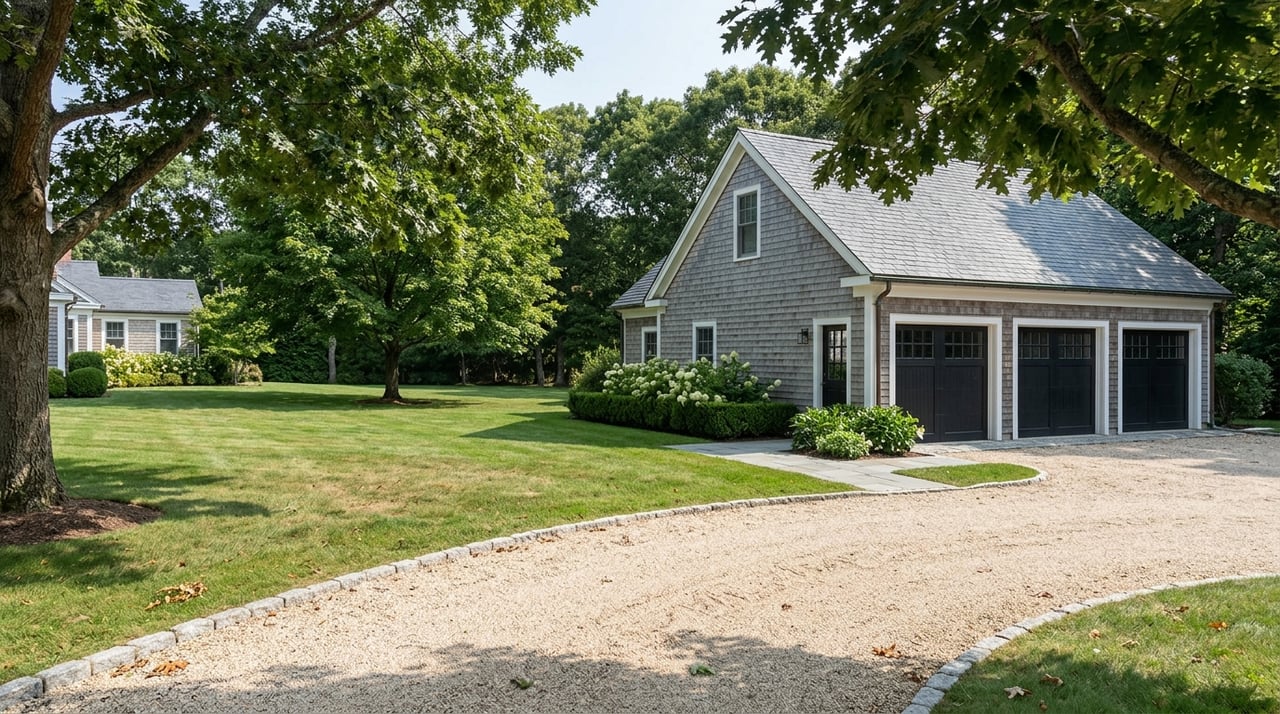
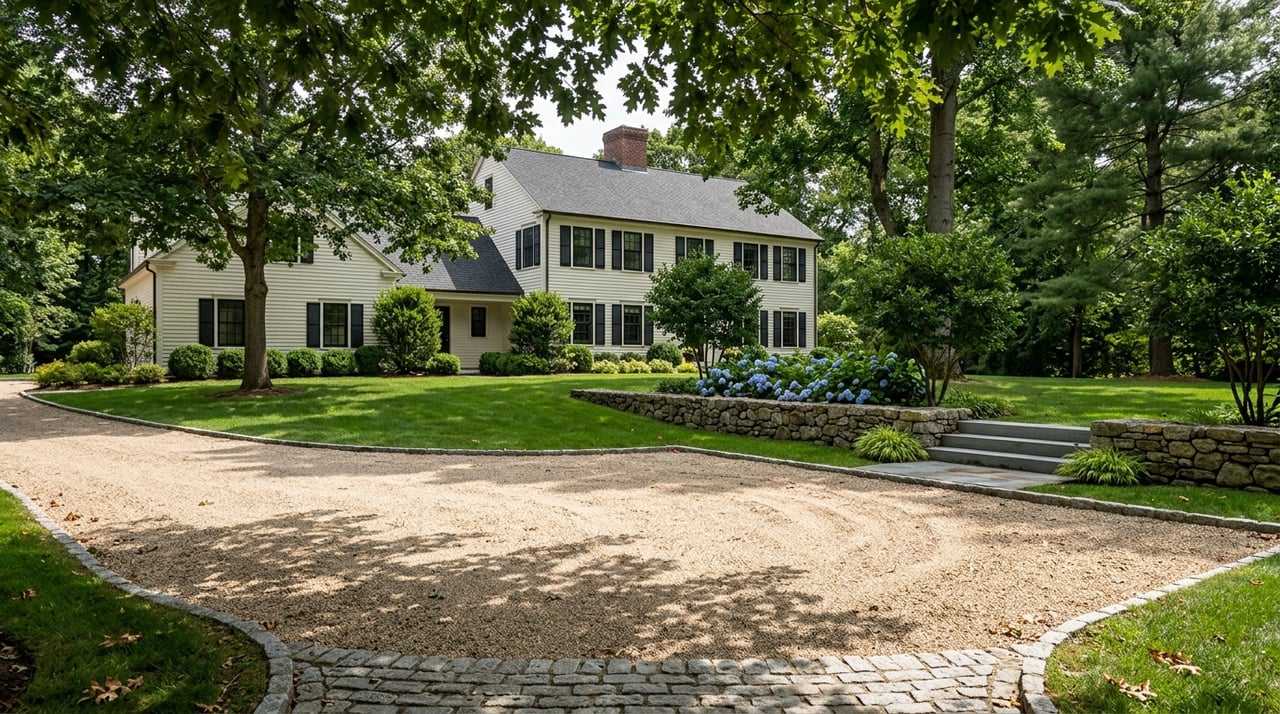
Your front approach should feel intentional and well maintained. Clean windows, a tidy driveway, fresh lighting, trimmed branches, and neatly shaped plantings all help create a stronger first impression.
Small details matter at this price point. Hoses, tools, bins, and other visual clutter can distract from the architecture and grounds. Buyers should notice the estate, not the maintenance list.
Address visible code-related issues
Old Westbury’s local code sets clear standards for exterior upkeep. Village law requires owners to remove or cut unsightly brush, weeds, rubbish, fallen trees, limbs, stumps, and overgrown grass. The code also prohibits stacking materials in the front yard and bans fences that are broken, dilapidated, or structurally unsafe.
Before listing, walk the property with a critical eye. If a fence is leaning, a hedge blocks visibility near an intersection, or a section of the grounds feels neglected, take care of it early. In a premium sale, visible deferred maintenance can raise questions that go beyond the issue itself.
Think privacy, not barriers
Privacy is a major selling point for estate properties, but in Old Westbury, privacy upgrades should be thoughtful and code-aware. Village rules can limit fence type, height, and placement, and may require approved screening for certain features such as pools, tennis courts, parking areas, or driveways.
In many cases, the strongest strategy is refined screening rather than heavy-handed enclosure. Clean hedges, discreet equipment concealment, careful pruning, and fresh mulch often do more for the overall impression than adding bulky visual barriers. The goal is to preserve privacy while keeping the property elegant and open.
Stage the backyard as a lifestyle asset
A large lawn alone does not tell the whole story. Buyers respond more strongly when the backyard reads as a complete experience, with distinct areas for dining, lounging, entertaining, or relaxing.
NAR’s 2025 backyard-staging guidance supports this approach. Outdoor spaces tend to show better when they are organized into clear use zones, supported by layered lighting and manicured planting.
Create simple outdoor zones
You do not need to over-design the yard. You do need to help buyers understand how the space lives.
Consider preparing the outdoor areas so they clearly suggest:
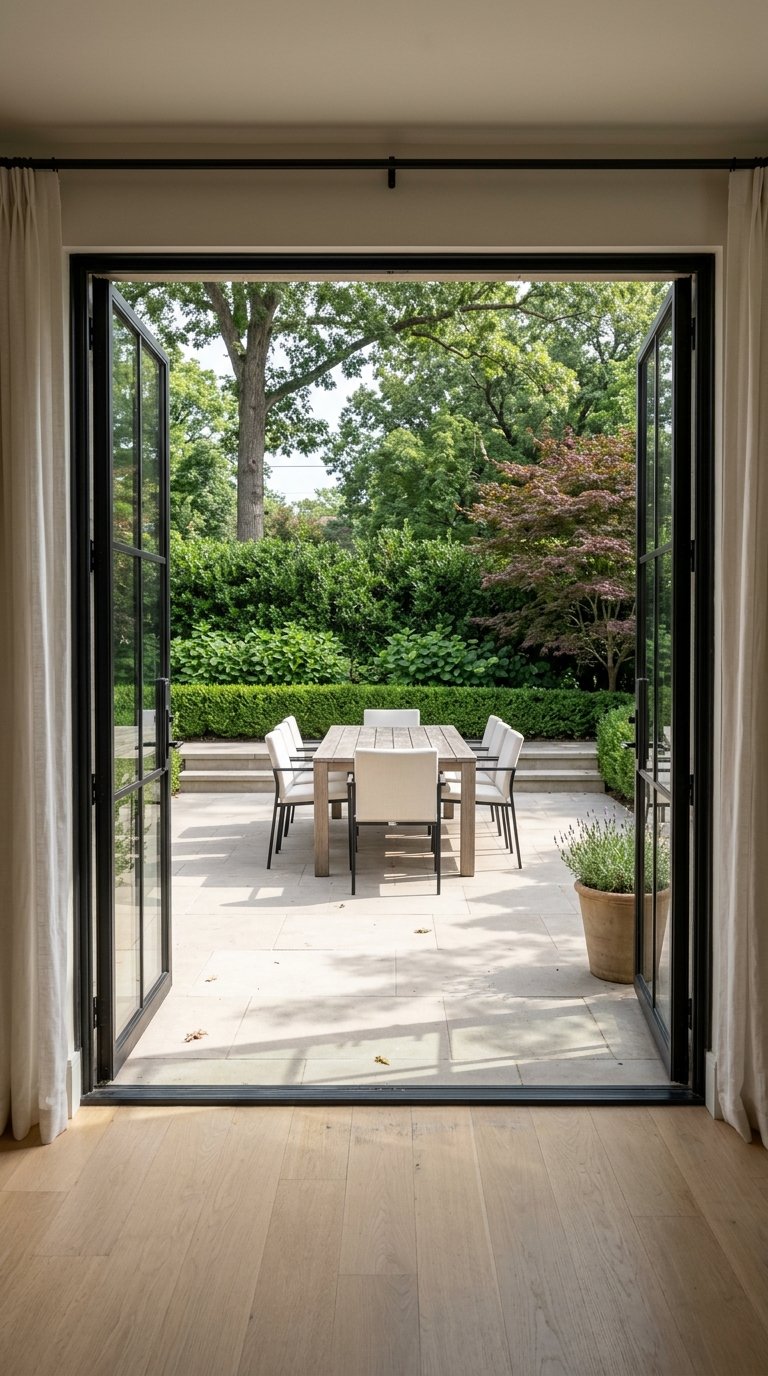
- A dining area on the terrace or patio
- A comfortable seating area for conversation
- A clean, resort-like pool setting if applicable
- A garden or lawn area that feels maintained and purposeful
This kind of staging helps buyers picture gatherings, quiet mornings, and seasonal use. On an estate property, that emotional clarity can be as important as the acreage itself.
Focus on targeted interior prep
One of the most common seller questions is whether an older estate home needs a major remodel before listing. In most cases, the better answer is targeted preparation, not a blanket renovation.
NAR’s 2025 Profile of Home Staging found that 83% of buyers’ agents said staging made it easier for buyers to visualize a property as a future home. It also found that 29% of agents reported staging increased dollar value offered by 1% to 10%, and nearly half of sellers’ agents said staging reduced time on market.
Prioritize the rooms buyers notice first
The rooms most often staged are the living room, primary bedroom, dining room, and kitchen. That is a useful guide for where your time and money may have the most impact.
For many Old Westbury sellers, the right prep includes:
- Decluttering and depersonalizing
- Deep cleaning throughout the home
- Paint touch-ups in a consistent, fresh palette
- Minor repairs that remove visual friction
- Carpet cleaning or flooring refreshes where needed
- Selective staging in the key rooms buyers remember most
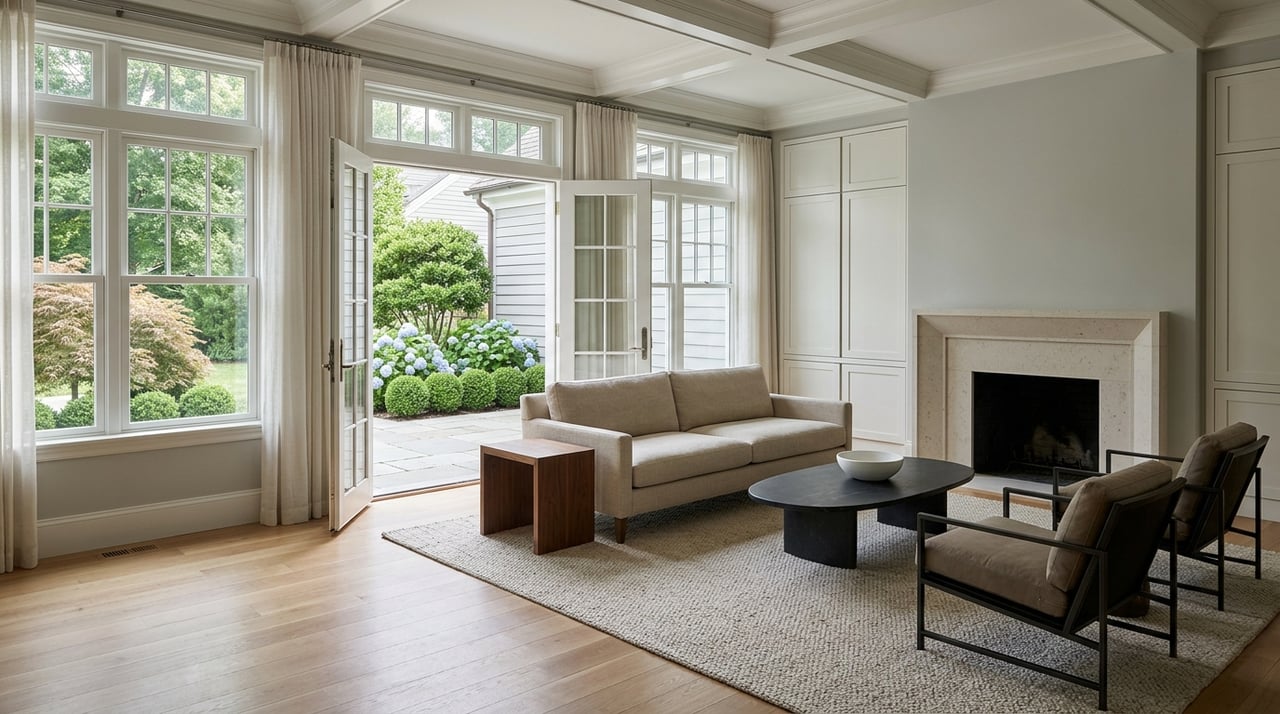
This kind of work helps buyers read the home quickly. Instead of focusing on distractions, they can focus on scale, light, layout, and architectural character.
Avoid over-improving without a strategy
Not every outdated feature needs to be replaced before sale. A full renovation can be expensive, time-consuming, and difficult to recapture if the work does not align with buyer priorities.
A more effective approach is to identify the updates that improve clarity and confidence. If a small repair, finish touch-up, or staging adjustment makes the home feel better maintained and easier to understand, it is often worth doing. If a major project will delay the launch without a clear return, it may not be.
Prepare for the online first showing
For most buyers, the first showing happens online. That means your preparation plan should support photography, video, floor plans, and the overall visual sequence of the listing.
NAR reports that buyers’ agents place high importance on photos, videos, and virtual tours. It also found that one in three buyers’ agents said clients were more likely to schedule a showing after seeing a staged home online.
Coordinate prep with marketing
This is why preparation should not happen in isolation. The cleaning, staging, landscaping, and minor repairs should be timed around the marketing calendar so the home is captured at its absolute best.
A polished launch usually means:
- Finish repairs and touch-ups first
- Complete landscaping and exterior cleanup
- Stage key indoor and outdoor spaces
- Schedule photography, video, and floor plans once everything is camera-ready
- Go live only when the presentation matches the pricing strategy
For a premium listing, consistency matters. If the exterior feels refined, the interior should match. If the grounds promise privacy and ease, the imagery should reinforce that promise.
Use a pre-list inspection to reduce surprises
Older and more complex homes often benefit from a pre-list inspection. This gives you a clearer view of the property’s condition before a buyer’s inspector turns an unknown issue into a negotiation event.
NAR notes that pre-list inspections can help sellers understand the home on their own timeline, create more transparency, and give buyers a baseline rather than a surprise report. For estate homes with larger systems, accessory structures, or age-related wear, that can be especially valuable.
Decide what to repair and what to disclose
A pre-list inspection does not mean you need to fix everything. It does mean you can make informed decisions before the home hits the market.
That may include:
- Repairing issues that are visible or likely to concern buyers
- Gathering service records or maintenance information
- Pricing with condition in mind when appropriate
- Disclosing known issues clearly and early
This kind of preparation can strengthen trust and help keep negotiations focused.
Understand New York disclosure timing
New York’s disclosure rules are an important part of the selling process. The state says the Property Condition Disclosure Statement is required beginning July 1, 2025, and sellers of residential real property must deliver it to the buyer or buyer’s agent before the buyer signs a binding contract.
The form is not a substitute for inspections, and buyers are encouraged to obtain their own independent professional inspections and environmental tests. If you later learn that your statement is materially inaccurate, the law requires a revised statement as soon as practicable.
For Old Westbury sellers, the practical lesson is simple. Gather information early, understand the home’s condition, and prepare your disclosure package carefully. This supports a smoother transaction and reduces last-minute scrambling.
Follow the right launch sequence
When a premium property comes to market, order matters. Rushing to list before the home is ready can weaken the first impression and make pricing harder to defend.
A strong Old Westbury launch often follows this sequence:
- Inspect the property
- Set a pricing strategy based on market data and condition
- Repair key issues or prepare to disclose them
- Stage the interior and outdoor spaces
- Complete photography and other marketing assets
- Launch with a coordinated plan
This process reflects the realities of today’s market. Buyers are still active, but they are discerning. The more clearly your home communicates quality, privacy, and care, the more effectively it can compete.
Premium results usually come from disciplined prep
The best estate sales rarely happen by accident. They come from thoughtful decisions made before the listing goes live, from the driveway and hedges to the staging plan, inspection strategy, and disclosure file.
In Old Westbury, that discipline matters because buyers are not only purchasing a home. They are evaluating presentation, condition, and confidence at every step. If you are considering a sale, the right guidance can help you focus on the updates that matter most and avoid work that does not move the result. For a tailored strategy for your property, connect with the Sun Sha Team.
FAQs
Do you need a full renovation to sell an Old Westbury estate home for a premium price?
- Usually not. The research supports targeted preparation such as decluttering, cleaning, touch-ups, minor repairs, staging, and exterior improvements rather than a full remodel in most cases.
What exterior work matters most before listing an Old Westbury estate home?
- The most important tasks usually include landscaping maintenance, lawn care, tree trimming, driveway cleanup, window cleaning, lighting updates, and removing visible clutter or deferred maintenance.
Can you add privacy features freely at an Old Westbury estate home before a sale?
- Not always. Old Westbury has local rules on fence style, height, placement, screening, and sightlines, so privacy upgrades should be checked against village requirements before installation.
Is a pre-list inspection worth it for an older Old Westbury estate home?
- In many cases, yes. A pre-list inspection can help you identify issues early, reduce surprises, improve transparency, and give you more control over repairs, pricing, and disclosures.
When do New York sellers need to provide the Property Condition Disclosure Statement?
- New York requires the Property Condition Disclosure Statement beginning July 1, 2025, and it must be delivered to the buyer or the buyer’s agent before the buyer signs a binding contract.